Hotel fitout and hospitality construction in Sydney differs from standard commercial construction across four dimensions: design coordination depth, NSW Class 3 regulatory compliance under the Design and Building Practitioners Act 2020, live environment delivery discipline, and Tier 1–scale capability requirements.
Hospitality projects integrate joinery, mechanical, hydraulic, kitchen services, FF&E, and façade systems under construction programmes that protect guest experience and operational continuity.
Tau Constructions delivers hotel and hospitality projects across Sydney CBD and Surry Hills, including Ace Hotel Sydney (18-level, 264-room), 499 Kent Street (223-room ECI, in progress), Kiln Restaurant on Level 18 of Ace Hotel, and Ace Hotel Lobby & Bar, delivered under NSW Licence 321977C with Director Nicholas Economos involved end-to-end.
What Makes Hospitality Fitouts Different From Standard Commercial Work
Hospitality construction operates under tighter design, regulatory, and operational constraints than office or retail commercial work. Four structural differences shape every hotel and hospitality project in Sydney.
Design coordination depth runs deeper because hospitality projects integrate architectural, joinery, mechanical, hydraulic, fire safety, FF&E, and kitchen services across the same floor plate. Programme discipline tightens because hotel opening dates lock revenue commitments. Live environment delivery applies to most refurbishment work because the venue continues operating during construction. Regulatory compliance carries Class 3 building obligations under the DBP Act, not just the standard commercial framework.
A hotel builder coordinates more disciplines under a tighter programme, with continuous occupancy, against a denser regulatory framework than a commercial office builder doing the same square metres.
Design Coordination Challenges in Hotel and Restaurant Projects
Hospitality design integration covers six discipline streams that must be resolved before construction starts.
Architectural and interior design coordination across guest-facing and back-of-house zones. Custom joinery integrated with FF&E specifications, the Ace Hotel Lobby & Bar delivery included bespoke joinery and custom fixtures across the entire ground floor guest experience. Mechanical, electrical, hydraulic, and fire safety services are coordinated under a guest-experience overlay where plant noise, ventilation, and acoustic performance carry brand-standard requirements.
Commercial kitchen design under Australian Standard AS 4674-2004 (Design, Construction and Fit-Out of Food Premises). Façade and building enclosure systems where façade compliance under the NCC interacts with brand identity, signage, and guest arrival experience.
Construction management of hospitality projects handles this coordination as integrated delivery rather than sequential handoff.
NSW Compliance Requirements for Hospitality Construction
Class 3 buildings under the Design and Building Practitioners Act 2020 carry regulated design obligations that competitor hospitality construction content rarely addresses.
New Class 3 buildings, hotels, motels, boarding houses, and backpackers’ accommodation became regulated under the DBP Act from 3 July 2023. Registered Design Practitioners prepare regulated designs across fire safety, waterproofing, structural, mechanical, electrical, hydraulic, and façade disciplines. Design compliance declarations are lodged on the NSW Planning Portal before construction starts. The registered Building Practitioner lodges the building compliance declaration before the Occupation Certificate application.
From 1 July 2026, alteration and renovation work on existing Class 3 buildings comes within the Act. Hotel developers planning refurbishment work across the second half of 2026 must verify project scope against the expanded obligations before contract execution. DBP Act compliance for Class 3 hospitality buildings requires the same regulatory discipline as Class 2 residential work, with restaurant and kitchen scope adding AS 4674-2004 food premises compliance to the documentation trail.
Annual Fire Safety Statement obligations under the Environmental Planning and Assessment Regulation 2021 apply to operating hospitality venues every 12 months after the initial Fire Safety Certificate.
Tier 1–Scale Hospitality at Boutique Scale: Ace Hotel Sydney
Ace Hotel Sydney sits in Surry Hills as an 18-level, 264-room, 5-star hotel completed by Tau Constructions. The project demonstrates Tier 1–scale delivery executed through a boutique operating model where Director Nicholas Economos remained involved across the full construction programme.
The structural difference between Tier 1 head contractor delivery and Tau’s delivery on Ace Hotel lies in the accountability chain. Tier 1 builders typically remove senior directors from active project delivery once contracts are signed. Director-led delivery on Ace Hotel Sydney maintained senior judgment inside the daily decision chain across an 18-level project with 5-star finishes and a 264-room operational handover.
Tier 1 capability through boutique scale produces different outcomes than the same capability through a layered head contractor structure. The decision chain runs shorter. Variations resolve faster. Documentation discipline holds across the full programme.
Rooftop and Specialty Venues: Kiln Restaurant and Ace Hotel Lobby & Bar
Two specialty venues at Ace Hotel Sydney demonstrate Tau’s hospitality scope depth.
Kiln Restaurant sits on Level 18 of Ace Hotel as the rooftop restaurant and entertainment space. The fit-out covered the rooftop kitchen, dining floor, bar, and outdoor venue components under construction logistics constrained by 18-level vertical access and rooftop service integration with the hotel below.
Ace Hotel Lobby & Bar covered the ground floor guest-arrival sequence, lobby, bar, and restaurant, with bespoke joinery and custom fixtures integrated into the heritage building context. The scope carried the highest design coordination density in the project: every surface, fixture, and integration point reflects guest-facing brand standards.
Both venues required live environment refurbishment on Ace Hotel Lobby & Bar and Kiln Restaurant protocols during operational handover phases. Acoustic management, dust containment, programme staging, and trade access discipline applied across both spaces.
Why ECI Matters for Complex Hospitality Projects: 499 Kent Street
499 Kent Street, Sydney, is a new 223-room 5-star hotel where Tau Constructions is engaged under Early Contractor Involvement (ECI), currently in progress.
ECI on hospitality projects compresses three project risks at the design stage. Constructability input identifies design decisions that would generate variation declarations during construction under the DBP Act. Programme optimisation aligns the construction sequence with FF&E lead times, brand standards integration, and operational pre-opening commitments. Authority approval coordination reduces lodgement delays across the NSW Planning Portal, council pathways, and Fire and Rescue NSW referrals on Class 3 occupancy.
Early Contractor Involvement on hospitality projects brings the registered Building Practitioner into design coordination before regulated designs are declared. The same Building Practitioner who reviews the designs executes the work, removing the handoff risk between pre-construction advice and construction delivery.
Live Environment Delivery at Operating Hotels
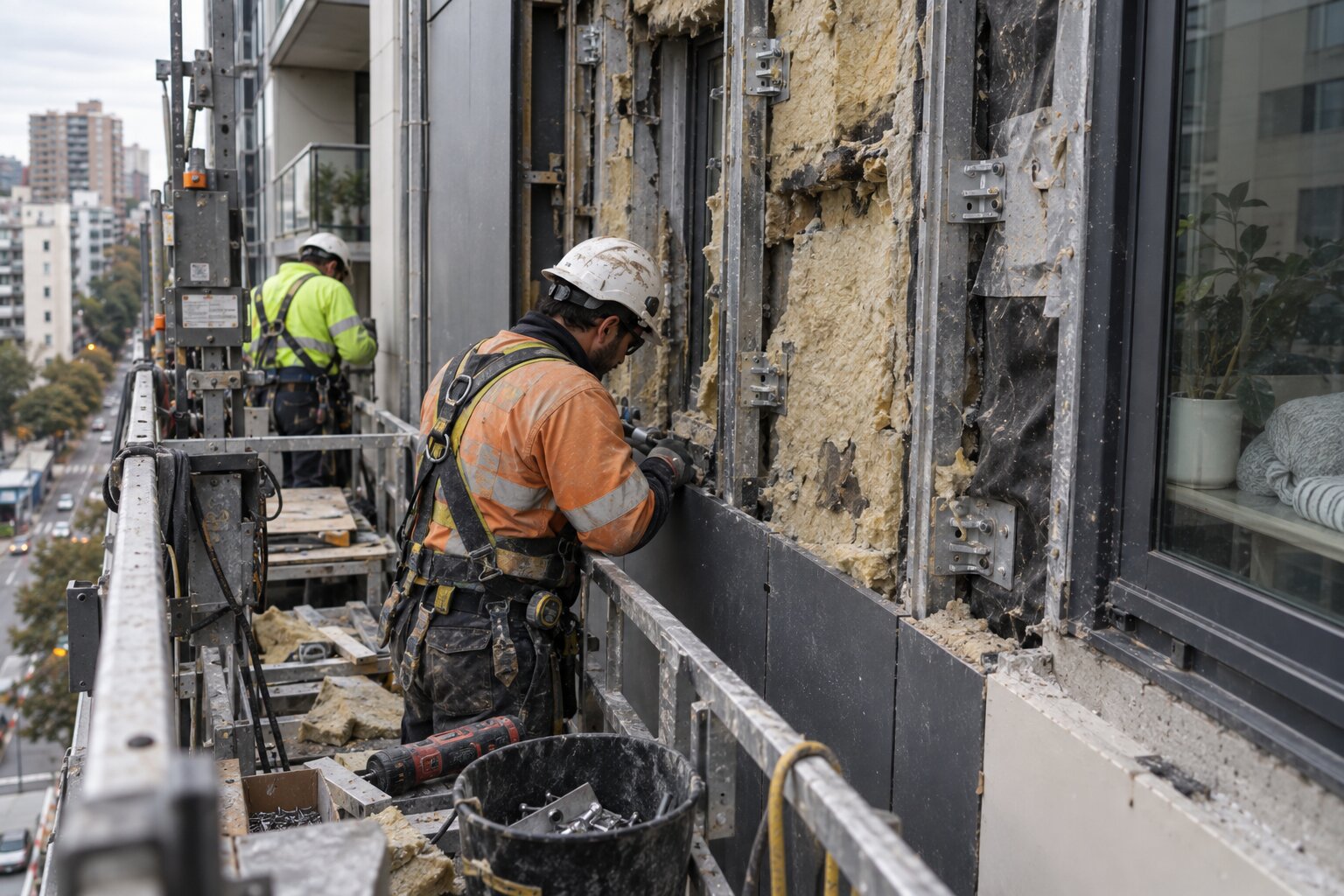
Hotel refurbishment frequently runs across an operating venue. The hotel continues to host guests while construction works progress on adjacent floors, common areas, or back-of-house spaces. The scope discipline differs from vacant-site construction.
Floor-by-floor staging isolates construction zones from guest-occupied floors. Acoustic management protocols protect guest experience across construction hours. Dust containment, ventilation isolation, and trade access routes operate under hotel operational protocols. Programme sequencing aligns construction milestones with hotel occupancy patterns and event commitments.
Commercial refurbishment under live environment delivery on hospitality projects requires construction teams that understand operational tempo as well as construction sequence.
Hospitality Construction Is a Construction Discipline
Hotel fitout and hospitality construction in Sydney operates as an integrated construction discipline across design coordination, NSW Class 3 regulatory compliance, live environment delivery, and Tier 1–scale execution.
Tau Constructions delivers hotel and hospitality projects across Sydney CBD and Surry Hills under NSW Licence 321977C with director-led delivery from feasibility through handover.
Frequently Asked Questions
What is the difference between hotel construction and hotel fitout?
Hotel construction covers new builds, structural shell, services, façade, and interior delivery as a single programme. Hotel fitout covers interior construction within an existing shell, joinery, finishes, FF&E integration, and services upgrade. Tau delivers both scopes under Construction Management, Design and Construct, or ECI procurement models.
Does the DBP Act apply to hotel construction in NSW?
Yes. Class 3 buildings, which include hotels, motels, boarding houses, and backpackers’ accommodation, have been regulated under the DBP Act since 3 July 2023. New construction and, from 1 July 2026, alteration and renovation work on existing Class 3 buildings require regulated designs, design compliance declarations, and a building compliance declaration before the Occupation Certificate application.
Can hotel refurbishment be delivered without closing the hotel?
Yes, through live environment delivery protocols. Floor-by-floor staging, acoustic management, dust containment, and programme sequencing allow construction work to continue alongside hotel operations. Tau delivered the Ace Hotel Lobby & Bar and Kiln Restaurant projects under live environment protocols.
What is AS 4674-2004 and when does it apply?
AS 4674-2004 (Design, Construction and Fit-Out of Food Premises) is the Australian Standard governing commercial kitchen and food service fitouts. The standard applies to restaurant, kitchen, and food service scope within hotels, restaurants, bars, and venues across Sydney.