
A commercial fitout transforms an empty shell into a fully functional interior, while a commercial refurbishment upgrades or modernises an existing occupied space. The distinction determines project cost, construction timeline, compliance pathway, and disruption to building operations.
In NSW, both scopes can trigger National Construction Code (NCC) certification requirements, and most commercial projects require a Complying Development Certificate (CDC) or Development Application (DA) before work begins. Misidentifying the scope creates budget overruns, approval delays, and compliance gaps that affect tenants, landlords, and asset value across Sydney’s commercial market.
What Is a Commercial Fitout?
A commercial fitout transforms an empty shell or base building into a fully functional interior, installing partitions, ceilings, flooring, mechanical and electrical services, fire systems, data infrastructure, and joinery from scratch.
Fitouts progress through defined stages. Shell and core deliver the base structure. A Category A (Cat A) fitout adds internal finishes: suspended ceilings, lighting, HVAC, fire detection, and basic amenities. A Category B (Cat B) fitout layers in tenant-specific elements: partitions, branding, custom joinery, furniture, and IT. For a deeper breakdown, see what is a commercial fitout.
Fitouts apply when a tenant signs a new lease on an unoccupied space, relocates to a different building, or changes the use of a premises. Every commercial fitout in NSW requires full NCC compliance, building certification, and fire system commissioning before occupation.
What Is a Commercial Refurbishment?
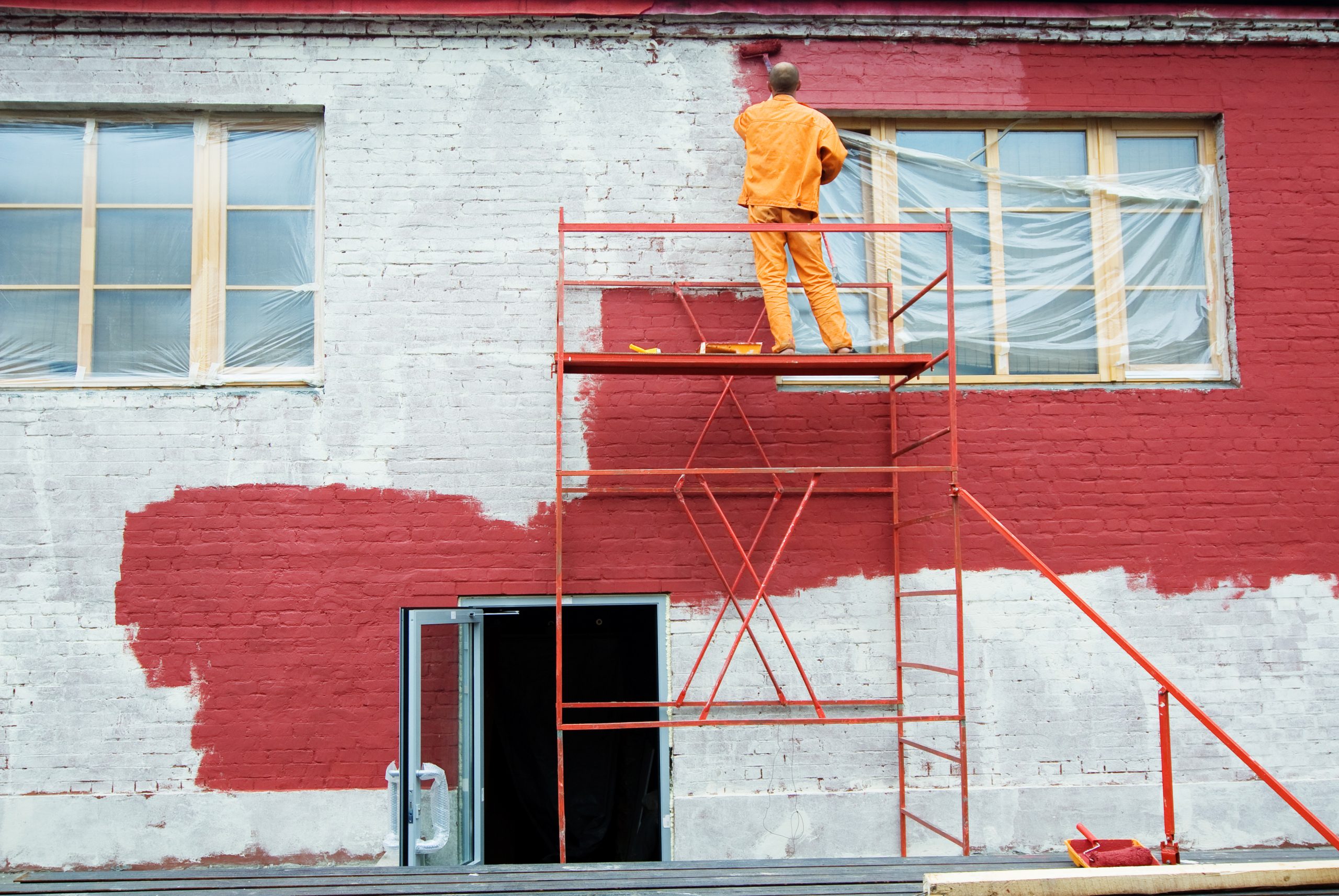
A commercial refurbishment upgrades, modernises, or reconfigures an existing occupied or previously used space without rebuilding the interior from scratch.
Refurbishments fall into three broad categories. Cosmetic refurbishments cover surface-level work: repainting, new carpet, updated lighting, and furniture replacement. Functional refurbishments go deeper into layout reconfiguration, HVAC upgrades, acoustic treatment, and service replacement. Compliance-driven refurbishments address fire system upgrades, DDA accessibility, and NCC Section J energy improvements.
Refurbishments apply when a tenant renews a lease, a landlord refreshes the building to attract new tenants, or an ageing space no longer supports current work patterns. Unlike fitouts, refurbishments frequently occur in live, occupied environments where tenants and staff remain in the building during construction. That context demands a builder experienced in staged construction, after-hours scheduling, and dust and noise control while operations continue. Read more about live environment construction in Sydney.
What Is the Difference Between a Commercial Fitout and a Refurbishment?
The core distinction is the starting condition of the space. A fitout builds out an empty shell. A refurbishment upgrades an existing interior that already functions.
| Factor | Commercial Fitout | Commercial Refurbishment |
| Starting point | Empty shell or base building | Existing occupied or used space |
| Scope | Full interior build from scratch | Upgrade, modernise, reconfigure |
| Services (M&E, HVAC, fire) | New installation required | Upgrade or replace the existing |
| Cost | Higher (ground-up build) | Lower (working with existing infrastructure) |
| Timeline | Longer, typically 8 to 20 weeks | Shorter, can be phased and staged |
| Disruption | Low (space unoccupied during work) | Requires live environment management |
| Compliance | Full NCC certification required | Depends on the scope of changes |
| Lease trigger | New lease, relocation, change of use | Renewal, brand refresh, ageing space |
| Typical initiator | Tenant | Tenant or landlord |
Both fitouts and refurbishments require NCC compliance when structural, fire, or services changes are involved. Most commercial work in NSW needs a CDC or DA before construction begins. Minor cosmetic work may qualify as exempt development, but anything affecting fire systems, load-bearing elements, or building services triggers certification. A commercially licensed builder must deliver both scopes.
How to Decide Between a Fitout and a Refurbishment
The decision maps directly to your lease position, the current condition of the space, and what you need the building to do next.
Signing a new lease or relocating into a cold shell means a fitout. The space has no internal infrastructure, and a full interior build is required. Staying in your current space but finding it dated or underperforming means a refurbishment. The structure is sound; the finishes, layout, or services need upgrading.
Changing the use of a building (office to medical, retail to hospitality) triggers a fitout regardless of current interior condition, because a change of use activates new NCC classification and compliance requirements. A compliance-only upgrade (fire systems, DDA accessibility, energy performance) typically falls within the refurbishment scope unless significant structural modification is involved.
When a lease is expiring, the priority shifts to end-of-lease make good obligations before committing to either scope in a new space. Expanding into an adjacent tenancy creates a hybrid scenario: fit out the new area, refurbish the existing space, and coordinate both under one program.
Tenants typically initiate fitouts when entering a new lease. Landlords initiate refurbishments to attract or retain tenants and protect asset value. Both benefit from engaging a builder through early contractor involvement to confirm scope, budget, and compliance requirements before committing to design.
Why Some Sydney Projects Need Both
Hybrid projects that combine fitout and refurbishment scopes within one building are common in Sydney commercial construction, particularly when tenants expand or staged upgrades roll through occupied floors.
A typical scenario: a tenant takes an adjacent tenancy requiring a Cat B fitout while refreshing the existing space with a cosmetic refurbishment. Both scopes run under a single construction program with one builder, one site team, and one handover date. This prevents the scheduling conflicts and duplicated costs that emerge when separate contractors work on the same floor.
Tau Constructions delivers both fitout and refurbishment scopes across office, hospitality, retail, and strata sectors, with projects including the Ace Hotel Sydney, Humble Bakery, and 499 Kent Street demonstrating cross-sector capability. A builder with dual capability operates as a single point of accountability through an integrated design and construct delivery model.
What Makes a Fitout or Refurbishment Successful in a Live Building?
Most commercial refurbishments, and many fitouts within multi-tenanted buildings, occur while the building remains operational with tenants and staff on site during construction.
Successful delivery in a live environment requires staged construction programs that sequence disruptive trades (demolition, mechanical, ceiling work) into after-hours and weekend windows. Dust barriers, temporary hoarding, and noise control protect occupied areas. Fire system isolation and reinstatement follow strict protocols to maintain building safety throughout. Communication plans with building management and tenants run from mobilisation through to handover.
This is where builder selection carries the most weight. A contractor without live environment experience introduces risk to the tenant, the landlord, and the building.
Tau Constructions (NSW License No. 321977C) operates across Sydney’s commercial, hospitality, and strata sectors with 20+ years of experience across 7,250+ projects and a director-led delivery model built for live environment complexity. ISO-aligned management systems coordinate staging, compliance, and tenant communication across every phase. Explore Tau’s commercial refurbishment services across Sydney.
Common Mistakes When Choosing Between Fitout and Refurbishment
The most frequent mistakes happen when the scope of work is misidentified at the start, treating a fitout as a refurbishment or assuming a refurbishment avoids compliance requirements entirely.
Budgeting a fitout scope at refurbishment prices stalls projects mid-construction when ground-up costs exceed upgrade-level estimates. Assuming refurbishment skips NCC compliance creates certification problems, because any work involving structural changes, fire systems, or services triggers building approval. Ignoring live environment logistics turns a 6-week refurbishment into 12 weeks when after-hours staging was never factored in. Engaging a designer without a builder produces drawings that cannot be built within the budget or timeline. Overlooking make-good obligations creates lease conflicts when refurbishment timing clashes with building remediation or reinstatement clauses.
Fitout vs. Refurbishment for Sydney Buildings
The right scope depends on the starting condition of the space, your lease position, and the compliance requirements attached to the work. Fitouts build out empty shells into functional interiors. Refurbishments upgrade what already exists. Lease events drive the decision: new lease points to a fitout, renewal points to a refurbishment, expiry triggers make-good before the cycle resets.
A builder with dual capability advises based on project need, delivers both scopes under one program, and navigates live environment complexity without disruption. Tau Constructions delivers commercial fitouts and refurbishments across Sydney, from hospitality venues and corporate offices to strata buildings and retail spaces. Contact Tau’s team to confirm the scope and delivery approach through Tau’s commercial fitout capabilities or early contractor involvement for scope clarity.
Tau Constructions. Built on Experience. Driven by Precision. Committed to Quality.
Frequently Asked Questions
What is the difference between a fitout and a refurbishment?
A fitout transforms an empty shell or base building into a functional interior. A refurbishment upgrades, modernises, or reconfigures an existing occupied space without starting from scratch.
Is a fitout the same as a renovation?
In Australian commercial construction, “fitout” refers to building out an unoccupied space, while “renovation” and “refurbishment” both refer to upgrading an existing space. Refurbishment is the more common term in commercial contexts. Renovation appears more frequently in residential work.
Which costs more, a fitout or a refurbishment?
Fitouts typically cost more because they involve a full interior build, including new services, partitions, ceilings, and finishes. Refurbishments work with existing infrastructure, reducing overall cost. Both vary depending on scope, materials, and compliance requirements.
Can a project involve both a fitout and a refurbishment?
Yes. Hybrid projects are common, particularly when a tenant expands into adjacent space (requiring fitout) while refreshing their existing tenancy (refurbishment). A builder experienced in both scopes coordinates the work as a single program.
Do commercial fit-outs and refurbishments require building certification in NSW?
Fitouts require full NCC compliance and building certification. Refurbishments may or may not require certification depending on the scope of structural, fire, and service changes. Most commercial work in NSW needs a CDC or DA. Minor cosmetic updates may qualify as exempt development.