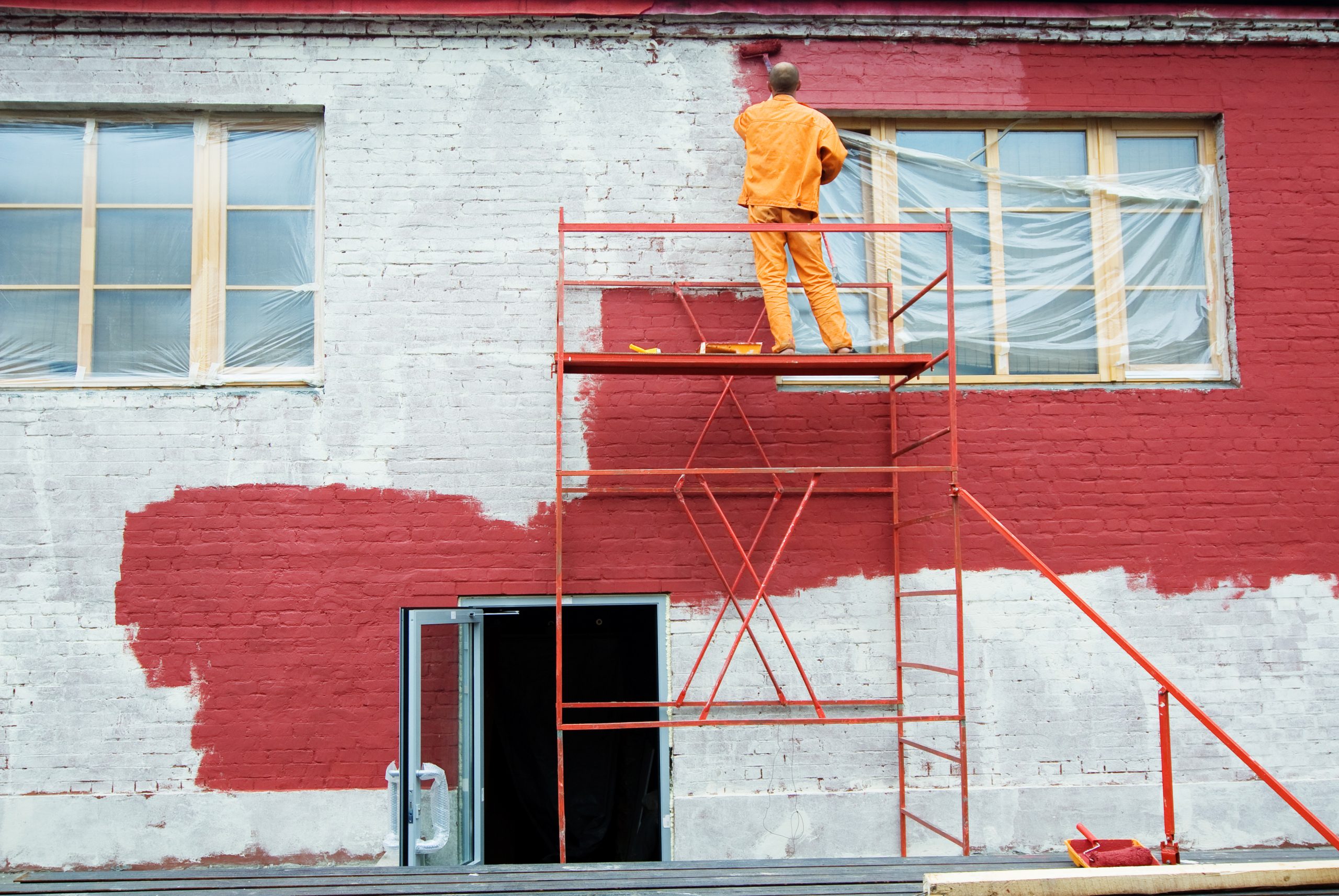
A live environment refurbishment delivers commercial construction while tenants continue to occupy and operate within the building. Phased construction divides work into sequential zones, allowing completed sections to return to full operation before the next phase begins. Noise control, dust containment, and base building services coordination separate a controlled commercial refurbishment from a chaotic one. Pre-construction planning through early contractor involvement prevents the tenant disruption that reactive approaches create across occupied buildings in Sydney and NSW.
What Is a Live Environment Refurbishment?
A live environment refurbishment is a commercial construction project delivered while tenants, staff, and visitors continue to occupy and operate within the building. Unlike vacant possession refurbishment, where the building is closed, and all occupants relocate before construction begins, a live environment approach maintains operational continuity throughout.
Landlords and asset managers choose live delivery because it preserves tenant revenue, avoids lease-break risk, eliminates relocation costs, and maintains occupancy rates during the upgrade. This approach applies across offices, hotels, retail centres, mixed-use developments, and healthcare facilities. For a deeper look at this delivery model, see how Tau approaches live environment construction in Sydney.
How Phased Construction Keeps a Building Operational
Phased construction divides a commercial refurbishment into sequential work zones, allowing completed sections to return to full operation before the next phase begins. The sequencing logic depends on building type, tenant mix, and services upgrade scope.
Vertical Phasing (Floor-by-Floor)
Best for multi-storey offices. Construction isolates one level at a time, containing noise vertically while maintaining ground-level access and common amenities.
Horizontal Phasing (Wing-by-Wing)
Suits single-level retail or hospitality buildings. One side stays operational while the other undergoes refurbishment, then the zones swap.
Services-First Sequencing
Upgrades mechanical, electrical, and fire systems before cosmetic finishes begin. This prevents the rework and emergency shutdowns that occur when base building services are modified after new ceilings and partitions are in place.
Swing Space Rotation
Designates one vacant area as a temporary holding zone, rotating occupants through it as each section completes.
Phased delivery typically adds 30 to 50 percent more time compared to vacant refurbishment. A mid-scale office project that would take 8 weeks vacant may run 10 to 12 weeks phased, offset by uninterrupted tenant revenue. The phasing plan is built during pre-construction, not improvised on site, with director-led sequencing that accounts for lease schedules, operational peaks, and service dependencies.
How to Control Noise, Dust, and Access in an Occupied Building
Noise and dust control in occupied commercial buildings requires physical separation, air management, and strategic scheduling.
Physical Containment
- Temporary hoarding: Floor-to-ceiling sealed partitions between construction zones and occupied areas. STC-rated (Sound Transmission Class) acoustic hoarding significantly reduces tool and demolition noise compared to standard plastic sheeting.
- HEPA filtration and negative air pressure: Air scrubbers prevent dust and chemical off-gassing from migrating through shared ventilation. Negative pressure pulls air inward toward the construction zone rather than allowing particles to escape into occupied corridors.
Scheduling and Access
- After-hours work: Demolition, core drilling, grinding, and heavy mechanical work are performed during evenings and weekends for high-impact tasks that barriers alone cannot contain.
- Access separation: Dedicated construction entry and exit points, material delivery routes, and goods lift scheduling that never crosses tenant circulation paths.
- Air quality monitoring: Critical when works occur near HVAC ductwork zones, where disturbance can introduce particulates into the broader ventilation system.
How to Coordinate Base Building Services Without Shutting Down the Building
Base building services coordination across HVAC, fire detection, electrical distribution, and data/communications determines whether tenants experience a commercial refurbishment as controlled or chaotic. This is where the gap between experienced live environment builders and general contractors becomes visible.
HVAC
Zone isolation during ductwork modifications, with temporary cooling or heating units maintaining tenant comfort while system sections are offline. Coordination with the base building BMS (building management system) prevents unintended temperature changes in occupied zones.
Fire Safety
Detection and suppression systems must remain operational throughout works. When systems are temporarily offline for modifications, fire watch procedures activate, and impairment notifications go to building management and the fire brigade.
Electrical
Staged switchovers for power distribution upgrades using temporary boards, with planned shutdown windows coordinated with tenant operations to avoid data loss or equipment damage.
Data and Communications
Cutovers coordinated with tenant IT managers and building comms providers, scheduled after hours with pre-agreed fallback protocols.
Under Australian Work Health and Safety legislation, the builder must protect all building occupants during works, not only construction personnel. Director-led coordination between the builder, base building management, and tenant representatives turns this into a structured daily process.
What Landlords and Tenants Need to Know Before a Live Refurbishment Starts
A successful live environment refurbishment starts 6 to 8 weeks before any physical work, with a pre-construction plan that aligns builder, landlord, building manager, and tenant expectations.
The pre-construction phase covers:
- Site audit: Existing services mapping, hazardous materials surveys (asbestos and lead paint in pre-2003 buildings), structural assessment, and access route planning.
- Phasing plan: Sequencing logic, service shutdown schedules, and an after-hours work calendar.
- Tenant notification: Written communication at a minimum of 4 weeks before works, detailing scope, duration, noise expectations, access changes, and contact details for the on-site liaison.
- Building management coordination: Goods lift booking, loading dock scheduling, fire panel impairment protocols, and BMS integration for temporary HVAC.
A practical benchmark: no high-impact task should proceed without a minimum 48-hour advance notice to affected tenants, delivered through both written communication and physical signage at building entry points and lift lobbies.
This is where early contractor involvement for commercial projects makes a measurable difference. A builder engaged at the pre-construction stage identifies service conflicts, phasing requirements, and tenant-impact risks before construction starts, rather than discovering them after demolition is underway.
How the Right Builder Turns a Complex Refurbishment Into a Controlled Process
The difference between a disruptive commercial refurbishment and a controlled one comes down to the builder’s experience in occupied environments, their pre-construction methodology, and their on-site leadership structure.
When evaluating a live environment builder, look for:
- Demonstrated track record of occupied commercial delivery across offices, retail, and hospitality
- Phasing capability with services coordination experience, not a standard program adapted after the fact
- WHS systems are designed for occupied spaces rather than vacant-site procedures
- Director-level oversight on site, not management delegated to junior staff
- Pre-construction engagement capability through early contractor involvement
Tau Constructions (NSW License No. 321977C) operates under a director-led delivery model with ISO-aligned management systems. With 20+ years across 7,250+ projects, including hotel, office, retail, and hospitality refurbishments delivered in live environments across Sydney, the team coordinates the full scope from pre-construction planning through to handover. Explore Tau’s commercial refurbishment services for occupied commercial deliveries across NSW.
Common Mistakes That Cause Disruption During Commercial Refurbishment
Most commercial refurbishment disruption stems from planning failures, not construction failures.
- Starting demolition without a phasing plan treats the entire building as a vacant site, causing simultaneous disruption across all floors and zones.
- Failing to map existing services before breaking ground means HVAC, fire, and electrical conflicts surface mid-construction, forcing emergency shutdowns that affect every tenant.
- Treating tenant communication as an afterthought leads to complaints, lease disputes, and tenant churn that costs landlords far more than the refurbishment itself.
- Underestimating after-hours requirements puts high-impact works into business hours, eroding tenant patience within the first week.
- Skipping pre-demolition hazardous material surveys risks discovering asbestos or lead paint mid-project, halting works, triggering SafeWork NSW involvement, and creating building remediation liabilities that derail timelines and budgets.
Commercial Refurbishment Without Disruption
Commercial refurbishment in live environments requires phased construction, services coordination, noise and dust containment, and pre-construction planning that starts weeks before any physical work. The builder’s methodology and experience in occupied commercial delivery determine whether tenants experience a controlled upgrade or an operational disruption.
Tau Constructions delivers commercial refurbishments across Sydney with director-led oversight, live environment expertise, and two decades of occupied delivery across office, hotel, retail, and hospitality buildings. Contact Tau’s team to discuss your next commercial refurbishment project.
Tau Constructions. Built on Experience. Driven by Precision. Committed to Quality.
Frequently Asked Questions
Can a commercial building be refurbished while occupied?
Yes. Most commercial refurbishments in Sydney are delivered in live environments where tenants continue operating throughout. Phased construction, after-hours scheduling, and physical separation between construction zones and occupied areas make this standard practice for experienced builders.
How long does a phased commercial refurbishment take?
Phased delivery typically adds 30 to 50 percent more time compared to vacant possession refurbishment. A mid-scale office project that would take 8 weeks vacant may take 10 to 12 weeks phased, with tenant revenue continuing throughout.
What is the difference between refurbishment and renovation?
Refurbishment restores or upgrades an existing building’s structure, services, and finishes to current standards. Renovation tends to involve more significant changes to layout or function. In live commercial environments, both terms describe works delivered while the building remains operational.
Does refurbishment cost more when the building is occupied?
Occupied refurbishment typically costs 15 to 20 percent more than vacant delivery due to after-hours labour, temporary services, and phasing logistics. That additional cost is offset by preserved tenant revenue and avoided lease-break costs.
What is the difference between a commercial fitout and a refurbishment?
Refurbishment addresses the building’s structure, base services, and common areas. A commercial fitout configures internal space for a specific tenant’s operational needs. Live environments often require both, delivered in sequence.