Make good is the umbrella term for returning a leased space to the condition a lease requires. Strip out is one type of work inside that obligation, the physical removal of fitout back to shell condition. Three standards commonly appear in lease clauses, original condition, base building condition and fair wear and tear. Base building condition costs far more than original condition because it removes work a tenant never installed. Reading the exact clause wording before signing or before planning an exit prevents a dispute at handover.
Make Good Is the Umbrella Term, Strip Out Is One Type of Work Inside It
Make good covers every obligation a lease sets for handover condition, while strip out refers specifically to physical demolition and removal of fitout.
Every strip out sits inside a make good obligation, but not every make good requires a full strip out. Some leases only need patching, repainting and minor repair.
The exact scope depends entirely on how the lease clause is worded. Two leases can use different language and produce very different handover requirements.
Three Standards Your Lease Clause Can Reference
Commercial leases in Sydney typically reference one of three standards for handover condition, and each standard changes the scope dramatically.
Original Condition Returns the Space to Its State at Lease Start
Original condition means the premises must match the state recorded at lease commencement. If a fitout already existed when the tenant moved in, that configuration can become the baseline to return to, not an empty shell.
A condition report at lease start becomes the reference point for this standard. Without one, original condition is difficult to prove or dispute.
Base Building Condition Strips Everything Back to the Shell
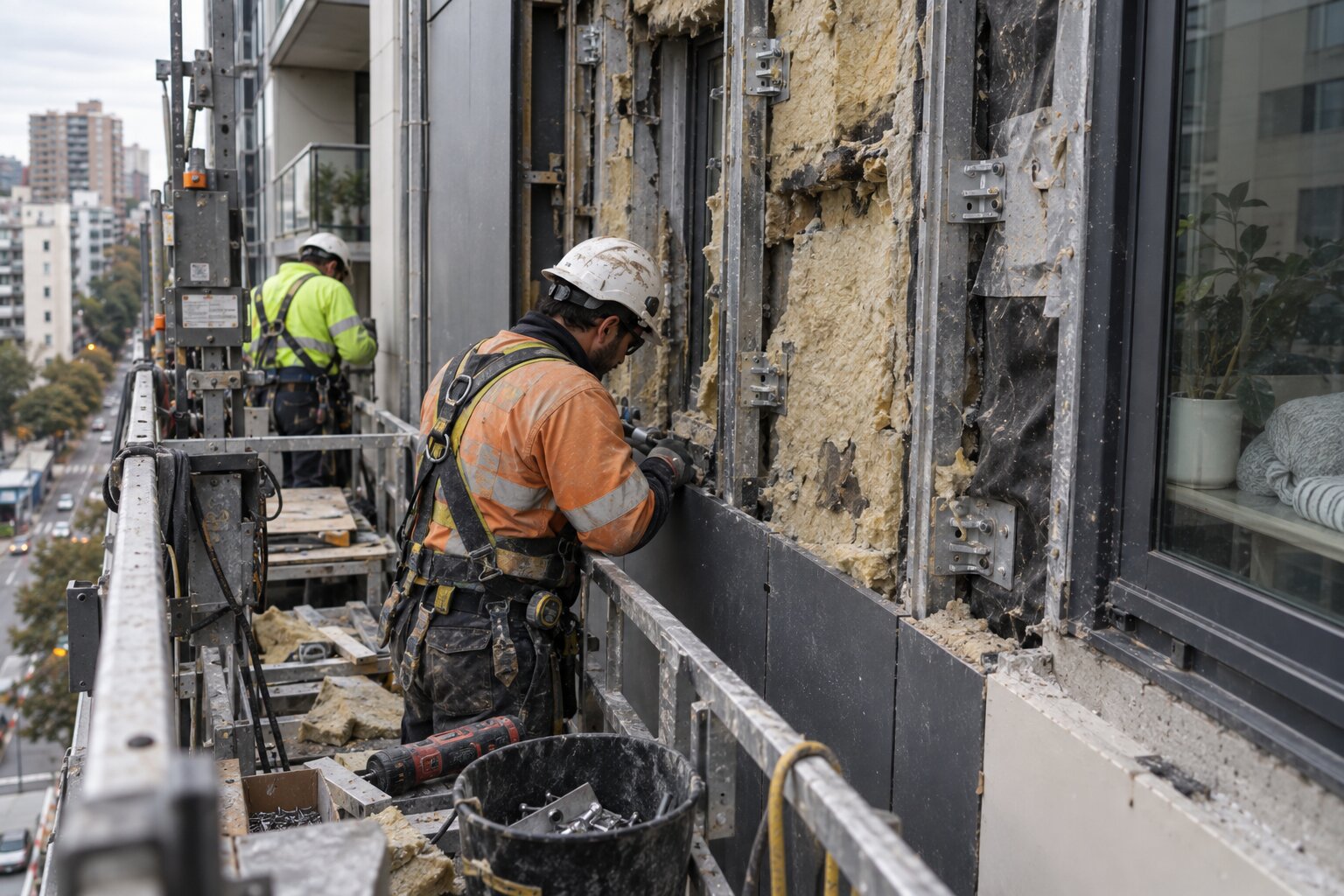
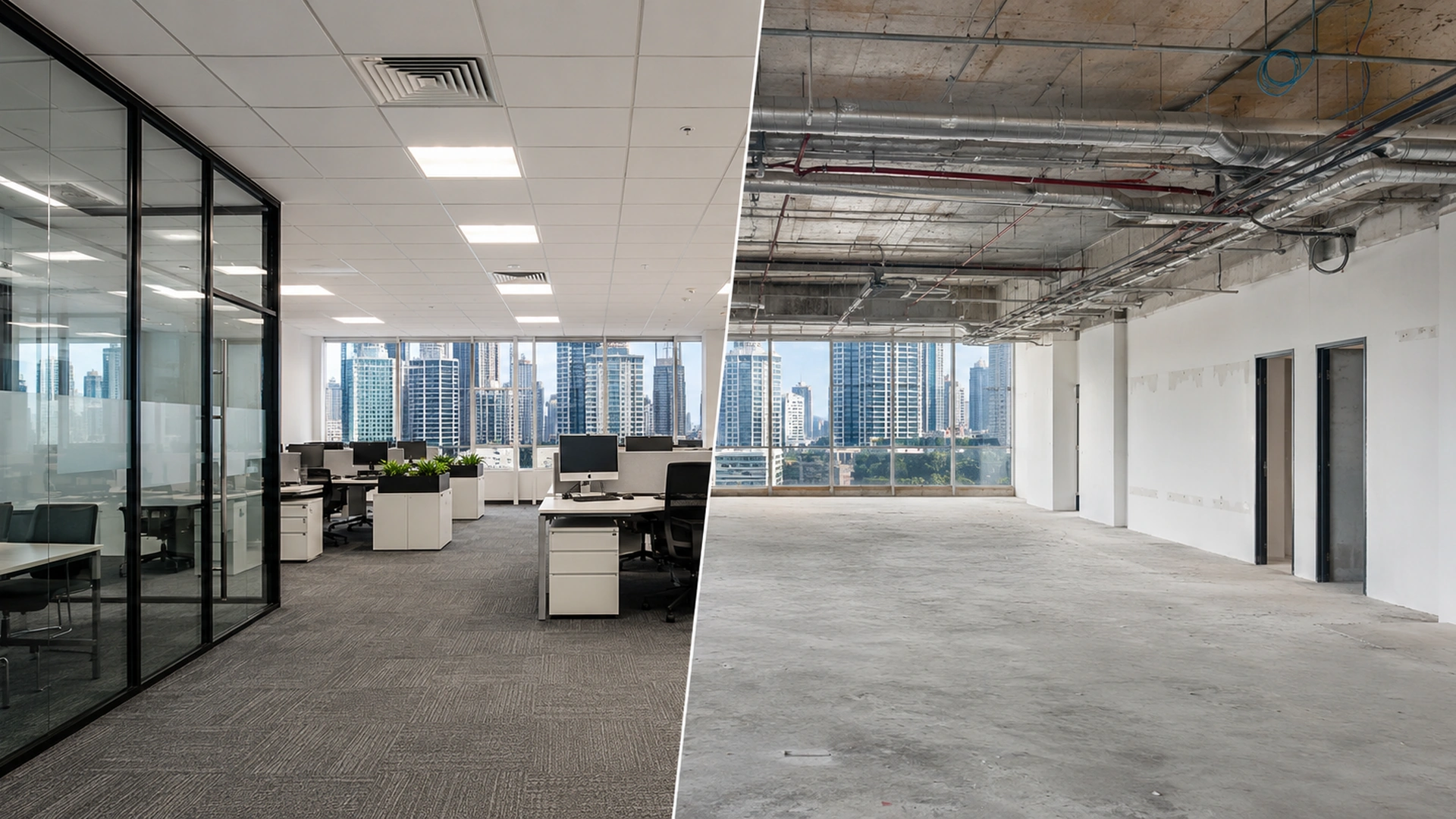
Base building condition removes all fitout, partitions, ceiling finishes and floor coverings back to the structural shell and base services. Base building condition is the most demanding and expensive standard a lease can set.
Base services generally mean the core structure, standard ceiling grid and basic mechanical and electrical provisions the landlord installed originally, not anything added since.
Fair Wear and Tear Sets the Outer Limit on Both
Fair wear and tear allows for reasonable ageing of surfaces and fixtures through normal use. Fair wear and tear prevents a landlord from demanding pristine condition on features that have simply aged during the tenancy.
Fair wear and tear applies alongside original condition or base building condition, not instead of either one.
Why Base Building Condition Can Cost Far More Than Original Condition
Base building condition can cost several times more than original condition because it removes work the current tenant never installed.
A tenant handing back under original condition only reverses their own fitout changes. A tenant handing back under base building condition removes everything down to the shell, regardless of who installed it.
The cost difference on a large tenancy runs into hundreds of thousands of dollars between these two standards. Confirming which standard applies changes the entire exit budget and the scope of trades involved.
A Strip Out Obligation Can Predate Your Own Tenancy
Base building condition can require removal of fitout a previous tenant installed, not only work the current tenant added.
A tenant who inherited an existing fitout at lease start can still be liable to remove it under a base building clause. The obligation attaches to the space, not to who built what.
Checking what existed at lease commencement against what the clause requires at exit avoids an unexpected scope increase. The gap catches tenants who assumed they only owed removal of their own changes.
Base Building Means Something Different in Every Building
The term base building is not standardised, and the same words can describe different handover conditions from one building to the next.
Some buildings define base building as exposed services and a bare concrete floor. Others define it around a specific ceiling grid, lighting standard or air conditioning layout the landlord considers standard.
A Schedule or Condition Report Prevents a Dispute Later
A schedule attached to the lease that defines exactly what stays and what goes removes ambiguity before it becomes a dispute. Photographs and a written condition report at lease commencement serve the same purpose.
Disputes over make good scope rarely dispute that an obligation exists. Most disputes question what the obligation covers in practice.
Cash Payment in Lieu of Physical Make Good
Some leases allow a cash payment instead of physically completing make good works.
A payment in lieu clause lets the tenant pay an agreed sum rather than carry out the physical strip out or reinstatement. The availability of this option depends entirely on the lease wording.
Cash settlement can suit a tenant short on time before handover. The agreed amount needs negotiation and does not always work out cheaper than the physical works.
Confirming Scope Before the Strip Out Process Begins
Confirming which standard applies comes before any strip out work is booked, not during it.
Once the applicable standard is confirmed, the physical process of demolition, services reinstatement and surface repair follows a defined sequence. Our guide to office strip out and make good before lease expiry covers that process and timeline in full.
Larger reinstatement scope closer to base building condition can extend beyond a standard strip out into refurbishment level works. Our commercial refurbishment service covers that heavier scope where required.
Coordinating Complex Make Good Across Multiple Trades
Base building reinstatement across a large tenancy often needs coordination across several trades at once, not a single strip out crew.
Structural, services and surface trades working without coordination create the same sequencing risk on a make good project as on any multi-trade build. Our construction management service coordinates this scope when a make good project extends beyond a standard defit.
Frequently Asked Questions
What is the difference between make good and strip out?
Make good is the overall lease obligation covering condition at handover. Strip out is the physical demolition and removal of fitout, one type of work that can sit inside a make good obligation.
Does base building condition include a previous tenant’s fitout?
Base building condition can include a previous tenant’s fitout. The standard removes everything back to the shell regardless of who installed it.
Can a tenant pay cash instead of doing make good work?
Some leases include a payment in lieu clause allowing this. The option’s availability and the calculation method depend on the specific lease wording.
Key Takeaways: Confirming Your Make Good Standard Before Handover
The exact wording of the make good clause determines cost and scope more than any other single factor in a lease exit.
Tau Constructions delivers make good and strip out work matched to the specific standard a lease requires. Scope ranges from original condition through to full base building reinstatement. Our end of lease make good service outlines how we scope and deliver this work for Sydney tenancies.